
The Evolution of Online Gaming in Asia
The online gaming landscape in Asia has undergone a remarkable transformation over the past few decades. From the early days of classic PC games to the explosion of mobile gaming, the journey reflects significant technological advancements and cultural shifts. As gaming continues to evolve, understanding its history provides insight into its current trends and future directions. Platforms like https://rokok88.asia offer a comprehensive look into the historical context and development of online gaming in Asia.
From Classic PCs to Mobile Gaming
The journey of online gaming in Asia can be traced back to the late 1980s, when personal computers began to gain traction. Early PC games such as "Prince of Persia" and "Doom" captured the imaginations of gamers. These games laid the groundwork for a burgeoning gaming culture in countries like Japan and South Korea, where competitive gaming began to take root.
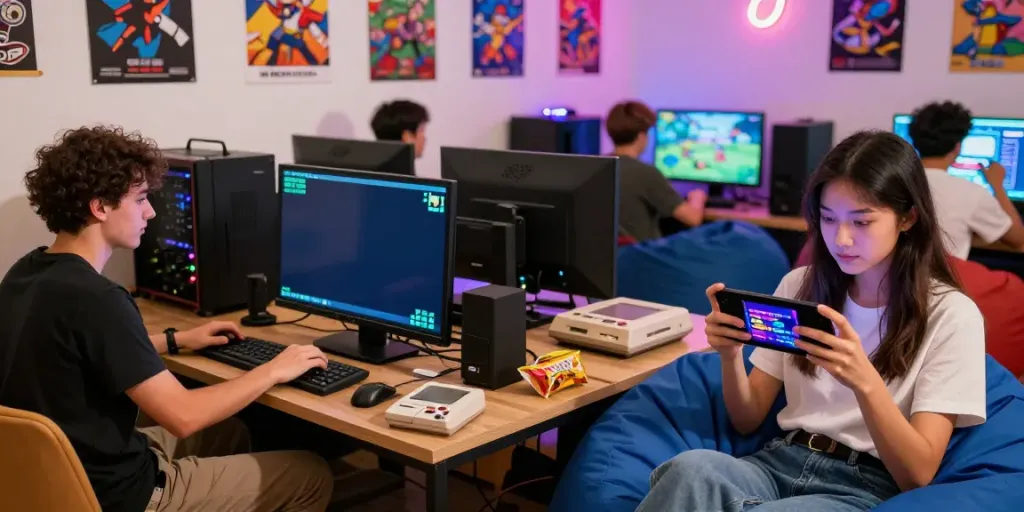
In the 1990s, the rise of internet cafes transformed the gaming scene. These venues became social hubs where players gathered to engage in multiplayer games like "Counter-Strike" and "Warcraft III." The accessibility of these games introduced a new demographic to online gaming, creating a community that would explore more immersive gaming experiences.
The true revolution in gaming occurred with the advent of mobile technology in the 2000s. Smartphones equipped with advanced graphics capabilities allowed developers to create engaging games that could be played on the go. Titles like "Angry Birds" and "Candy Crush Saga" not only captured players' attention but also propelled mobile gaming into the mainstream.
Key Milestones in Game Development
A few key milestones have shaped the development of online gaming in Asia:
- 2001: The launch of "World of Warcraft" brought massive multiplayer online role-playing games (MMORPGs) to the forefront.
- 2004: The introduction of the "PlayStation Portable" (PSP) expanded portable gaming beyond mobile phones.
- 2010: The emergence of free-to-play models transformed monetization strategies within the gaming industry.
- 2015: Cloud gaming services began gaining traction, allowing players to stream games on various devices.
- 2020: The rise of esports solidified the recognition of gaming as a competitive professional field.
Impact on Asian Gaming Culture
Gaming in Asia has not only influenced entertainment but has also shaped social interactions, economy, and culture. Countries like South Korea and China have established vibrant esports ecosystems, with tournaments attracting millions of viewers worldwide. This has led to the recognition of professional gamers, who have become celebrities in their own right.
The cultural significance of gaming is evident in how it connects diverse communities. Online games often incorporate local themes, folklore, and narratives, allowing players to explore their cultural heritage while enjoying interactive experiences. Furthermore, gaming has been instrumental in breaking down language barriers, enabling players from different backgrounds to collaborate and compete on a global stage.
Challenges Faced in the Gaming Industry
While the gaming industry in Asia has flourished, it is not without its challenges. Addressing these issues is crucial for ensuring a sustainable and responsible gaming environment.
Common Misconceptions About Online Gaming
One of the prevalent misconceptions is that gaming is solely a solitary activity. In reality, it fosters social connections and creates communities. Players engage with each other in ways that often extend beyond the screen, forming friendships and networks that enhance their gaming experiences.
Safety and Security Issues
With the rise of online gaming, security concerns have also increased. Players face risks such as identity theft, cyberbullying, and exposure to inappropriate content. Game developers and platforms must prioritize safety measures to protect users, constantly updating their security protocols to combat these threats.
Addressing Game Addiction Among Players
Another significant challenge is game addiction. While most players enjoy gaming responsibly, a subset can become overly engaged, leading to negative consequences in their personal and professional lives. Promoting balanced gaming habits and providing resources for those who may struggle with addiction is essential for the gaming community.
Best Practices for Engaging with Online Games
To enhance the online gaming experience, players should consider adopting best practices that promote positive engagement.
Finding Reliable Game Platforms
Choosing reputable gaming platforms is crucial for a safe and enjoyable experience. Gamers should look for platforms with verified security measures, positive reviews, and a history of good customer service.
Staying Informed on Game Releases
Keeping up with new game releases can enhance the gaming experience. Players can subscribe to newsletters, follow gaming forums, and engage with communities on social media to stay updated on the latest trends and releases. This not only keeps players informed but also helps them connect with fellow gamers.
Community Engagement and Support
Active participation in gaming communities can provide substantial benefits. Engaging with fellow players through forums, Discord servers, or social media can lead to knowledge sharing, support networks, and collaborative experiences that enrich gameplay. Community events, such as online tournaments or meetups, also foster camaraderie among players.
Real-World Success Stories in Asian Gaming
The success stories within the Asian gaming industry are numerous, showcasing innovation and creativity.
Case Studies of Popular Games
Games like "Dota 2" and "League of Legends" have not only become household names but have also generated substantial economic impact through esports. These games have cultivated professional leagues, attracting sponsors and investors, and creating thousands of jobs within the industry.
Lessons from Successful Game Developers
Developers like Blizzard Entertainment and Tencent have set benchmarks for successful game development by focusing on community feedback and engagement. Their iterative processes allow them to adapt games based on player behavior and preferences, leading to sustained success and loyalty.
Analyzing Player Communities and Their Growth
Understanding player communities is vital for developers. Communities often dictate the longevity of a game, and those that foster positive interactions and provide platforms for creativity tend to thrive. This growth is supported by developers who actively engage with their audiences, creating a feedback loop that benefits everyone involved.
Future Trends in Gaming Through 2026
As we look ahead, several trends are emerging that will shape the future of gaming in Asia.
Emerging Technologies Shaping the Gaming Experience
Virtual reality (VR) and augmented reality (AR) technologies are expected to redefine how players interact with games. These immersive experiences allow players to engage in environments that blend the digital and physical worlds, enhancing realism and creativity.
Predicted Changes in Player Demographics
The demographics of gamers are broadening. As mobile gaming becomes more accessible, older adults and women are participating in larger numbers. This shift will influence game design and marketing strategies, leading to more inclusive and diverse gaming options.
The Future of Mobile Gaming in Asia
Mobile gaming will continue to dominate, driven by advancements in technology and increasing smartphone ownership. With the introduction of 5G technology, game developers will be able to create more complex and engaging experiences without the limitations of slower networks.
What Should Gamers Be Aware Of?
Gamers should remain vigilant about potential risks, including security breaches and online misconduct. Staying informed about best practices for online engagement can help mitigate these risks and enhance the overall gaming experience.
How Will Gaming Impact Society?
The impact of gaming extends beyond entertainment. As gaming becomes more integrated into everyday life, it can influence industries such as education, mental health, and social interaction. Gamers are increasingly using games as tools for learning, therapy, and social change.